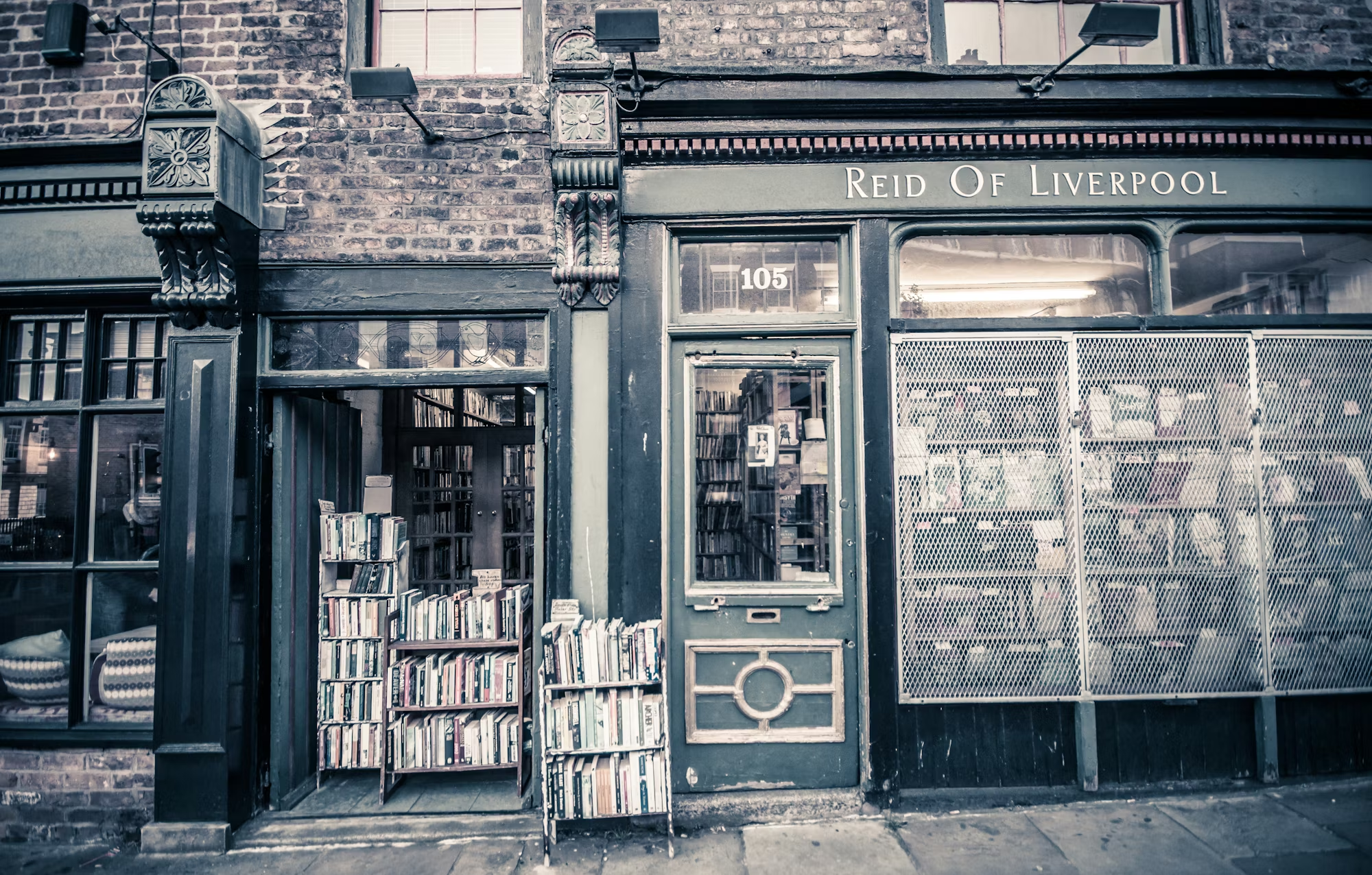
The retail landscape is undergoing a significant transformation as consumer preferences evolve and technology advances. In the 21st century, shopping is no longer confined to physical stores; it has expanded to include a variety of channels that cater to diverse consumer needs. This article delves into the key trends influencing modern shopping behavior, focusing on how technology, sustainability, and the rise of experiential retail are reshaping the way consumers engage with brands.
The Digital Revolution: E-Commerce and Beyond
The digital revolution has radically changed the way consumers shop. E-commerce has become a dominant force, providing unparalleled access to products and services. With just a few clicks, shoppers can explore vast online catalogs, compare prices, and read reviews from fellow consumers. This convenience has led to a significant increase in online shopping, particularly during the past decade. Retailers have responded by investing heavily in their online platforms, ensuring user-friendly experiences and robust security measures to protect consumer data.
Mobile shopping has further accelerated this trend, as smartphones have become essential tools for everyday transactions. Many consumers now prefer to shop using mobile apps or optimized websites that offer quick and easy navigation. Retailers are adapting by streamlining their mobile interfaces, enabling features like one-click purchasing and personalized notifications about special offers. This focus on mobile convenience reflects a broader trend toward instant gratification, where consumers seek fast and efficient shopping experiences.
Personalization: Catering to Individual Needs
As technology evolves, personalization has emerged as a key strategy for engaging consumers. Retailers are utilizing data analytics to gain insights into customer behavior, preferences, and purchasing habits. By leveraging this data, brands can create tailored shopping experiences that resonate with individual consumers. Personalized recommendations, targeted marketing campaigns, and customized product offerings not only enhance the shopping experience but also foster a sense of loyalty among customers.
Shoppers today expect brands to understand their needs and preferences. Retailers that successfully implement personalization strategies can cultivate long-lasting relationships with their customers, driving repeat purchases and brand loyalty. This shift from a one-size-fits-all approach to a more personalized experience marks a significant evolution in retail marketing strategies.
Sustainability: The Rise of Conscious Consumerism
As awareness of environmental issues continues to grow, sustainability has become a central focus for many consumers. Modern shoppers are increasingly inclined to choose brands that align with their values, particularly in terms of ethical sourcing and environmental impact. This trend is particularly pronounced in industries such as fashion, beauty, and food, where consumers actively seek out products that are sustainable and ethically produced.
Retailers are responding to this demand by adopting sustainable practices throughout their operations. This includes sourcing materials responsibly, reducing waste, and implementing eco-friendly packaging solutions. Many brands are also transparent about their supply chains, providing consumers with the information they need to make informed purchasing decisions. By prioritizing sustainability, retailers can not only attract environmentally conscious shoppers but also build a positive brand reputation in a competitive marketplace.
Experiential Retail: Creating Memorable Shopping Experiences
In a world increasingly dominated by online shopping, physical retail spaces are evolving to offer unique and engaging experiences that cannot be replicated online. Experiential retail focuses on creating memorable interactions between consumers and brands, fostering a deeper connection that encourages repeat visits. Retailers are reimagining their store layouts to include interactive displays, workshops, and community events, transforming shopping into an experience rather than a transaction.
For example, many fashion retailers now host styling sessions where customers can receive personalized fashion advice and try on outfits. Tech companies often offer hands-on demonstrations, allowing consumers to test products before purchasing. These immersive experiences not only enhance customer satisfaction but also drive foot traffic, making brick-and-mortar stores relevant in an increasingly digital world.
Social Media’s Role in Shopping Trends
Social media has become a powerful influencer in the shopping experience, shaping consumer perceptions and behaviors. Platforms like Instagram and TikTok are not just social networks; they have become integral to the shopping journey. Users frequently discover new products through visually appealing content and influencer endorsements. Retailers are leveraging these platforms to showcase their offerings and engage with their audiences directly.
The rise of social commerce—where users can shop directly through social media posts—has blurred the lines between entertainment and shopping. Retailers are creating shoppable posts that allow consumers to make purchases seamlessly while scrolling through their feeds. This integration of social interaction and shopping enhances brand visibility and fosters a sense of community around products and brands.
The Growth of Subscription Services
Subscription services have gained significant popularity as consumers seek convenience and personalized offerings. From meal kits to beauty products, subscription models allow customers to receive curated products delivered to their doorsteps regularly. This model simplifies the shopping process, appealing to busy individuals who appreciate the ease of having essentials on hand without the need for repeated purchases.
Consumers enjoy the surprise element of subscription boxes, as they often discover new products that align with their preferences. Retailers that implement subscription services can build strong customer loyalty, as subscribers are likely to remain engaged with brands that consistently deliver value and excitement.
Supporting Local Businesses: A Shift in Consumer Priorities
There is a growing trend among consumers to support local businesses, recognizing the value of community engagement. Shoppers increasingly prioritize locally sourced products over mass-produced items, leading retailers to highlight their local connections and unique offerings. This trend reflects a desire for authenticity and a commitment to supporting the local economy.
Retailers can capitalize on this trend by emphasizing their community involvement, showcasing local artisans, and participating in local events. By fostering relationships with their customers and highlighting their impact on the community, retailers can create a loyal customer base that appreciates the connection between shopping and community support.
The Importance of Reviews and Recommendations
In today’s digital age, online reviews and recommendations play a crucial role in shaping consumer perceptions. Before making a purchase, shoppers often turn to review platforms and social media for insights. Positive feedback can significantly influence buying decisions, while negative reviews can deter potential customers.
Retailers must actively manage their online reputation by encouraging satisfied customers to leave reviews and addressing any concerns promptly. Engaging with customers and demonstrating a commitment to satisfaction can enhance trust and credibility, making it essential for retailers to prioritize customer feedback in their strategies.
Adapting to Changing Consumer Behavior
As consumer behavior continues to evolve, retailers must remain agile and responsive to emerging trends. Understanding the motivations and preferences of today’s shoppers is essential for success. Retailers that prioritize customer feedback and adapt their strategies accordingly will be better positioned to thrive in a competitive marketplace.
This adaptability is crucial in an era where trends can shift rapidly. Retailers should continuously monitor consumer preferences, leverage data analytics, and experiment with innovative approaches to meet the demands of their audience. By staying attuned to changing behaviors, retailers can create relevant and engaging shopping experiences that resonate with consumers.
Conclusion: The Future of Retail
The evolving landscape of consumer preferences presents both challenges and opportunities for retailers. By embracing technology, prioritizing sustainability, and focusing on experiential retail, businesses can position themselves for success in the modern marketplace. Understanding the needs of consumers and adapting strategies to meet those demands will shape a retail environment that is engaging, responsible, and customer-centric.